Old tile out, new tile in, sound underneath
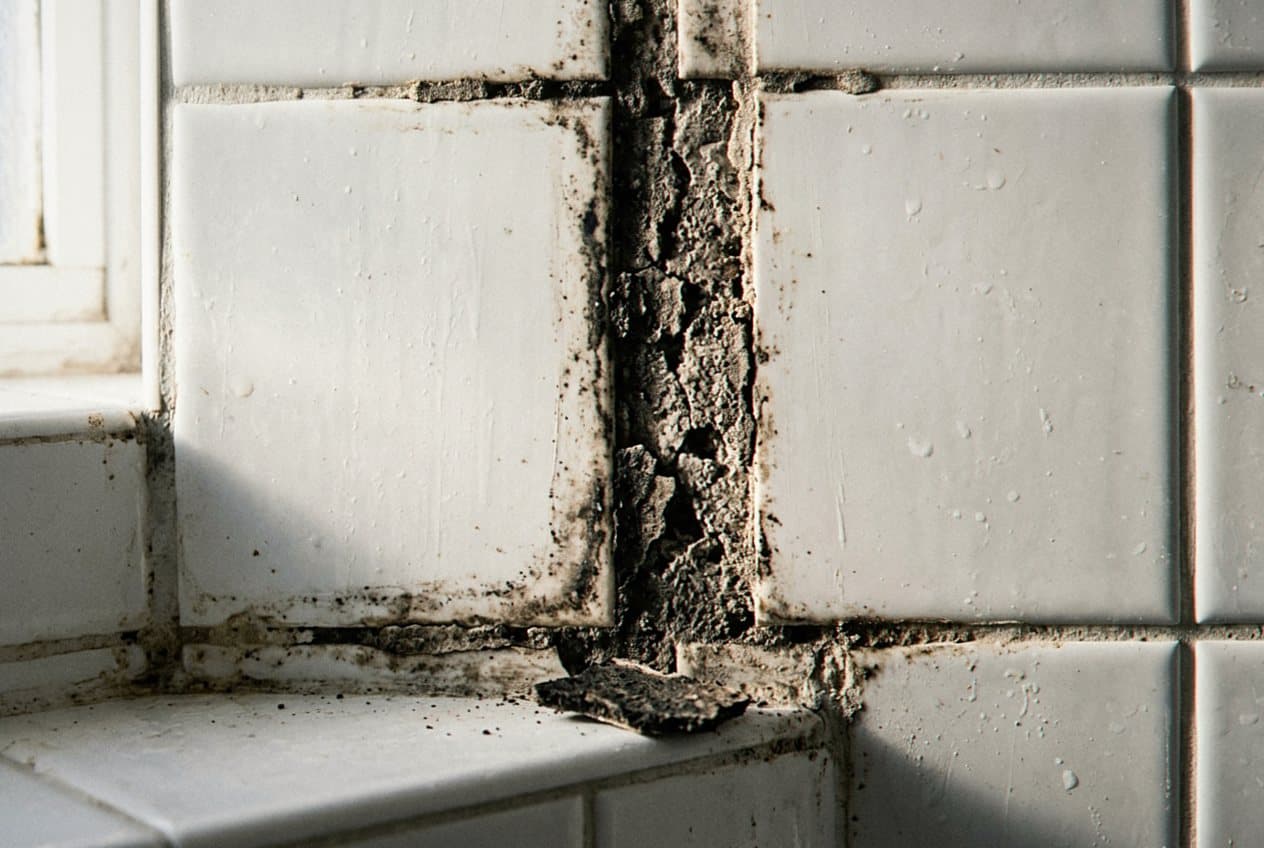
Most people call us because something is wrong that no amount of scrubbing will fix. A shower wall with grout that keeps crumbling no matter how often it gets sealed. A kitchen floor where three tiles sound hollow when you tap them with a knuckle. A tub edge where the caulk turns black again within a month of being redone. Those are not surface problems. That is the tile telling you something under it moved, got wet, or was never set right to begin with. We pull tile all over Sterling Heights, and the houses here tell a pretty consistent story. The brick ranches off Dodge Park and Utica Road often still have the original bath tile, set in a thick mortar bed that was fine work for its day and is now sixty years old. The colonials built through the 1970s and 1980s usually have one remodel already in them, and that remodel is where the shortcut tends to live. We see tile laid straight over old sheet vinyl, or over a subfloor nobody bothered to stiffen, and it holds up for a while before it starts letting go tile by tile. Newer homes up toward Hall Road bring us failed grout and cracked field tile more than anything structural. Backsplashes are their own small story. Pulling one off usually takes some of the drywall paper with it, so a clean tear out includes patching that wall back to flat before the new tile goes up. Whatever the age of the house, the first thing we do is find out what is actually going on. We tap across the field and listen for the hollow spots. We press on the wet edges and the inside corners. We look at the ceiling in the room below when a second floor bath is involved, because a slow leak writes its whole history down there long before anybody upstairs notices a thing. We pull a vanity kick or lift a register cover when we need a look at the layers. Then we tell you what we found in plain words, before one tile comes off the wall. Sometimes the answer is smaller than you feared and we are only taking out a section, which is a good day for everybody. Sometimes the honest answer is that a patch would just be money spent on a wall that is going to fail again in two years. We would rather say that on the first visit than halfway through a demolition, with your bathroom already in buckets and no good way back.
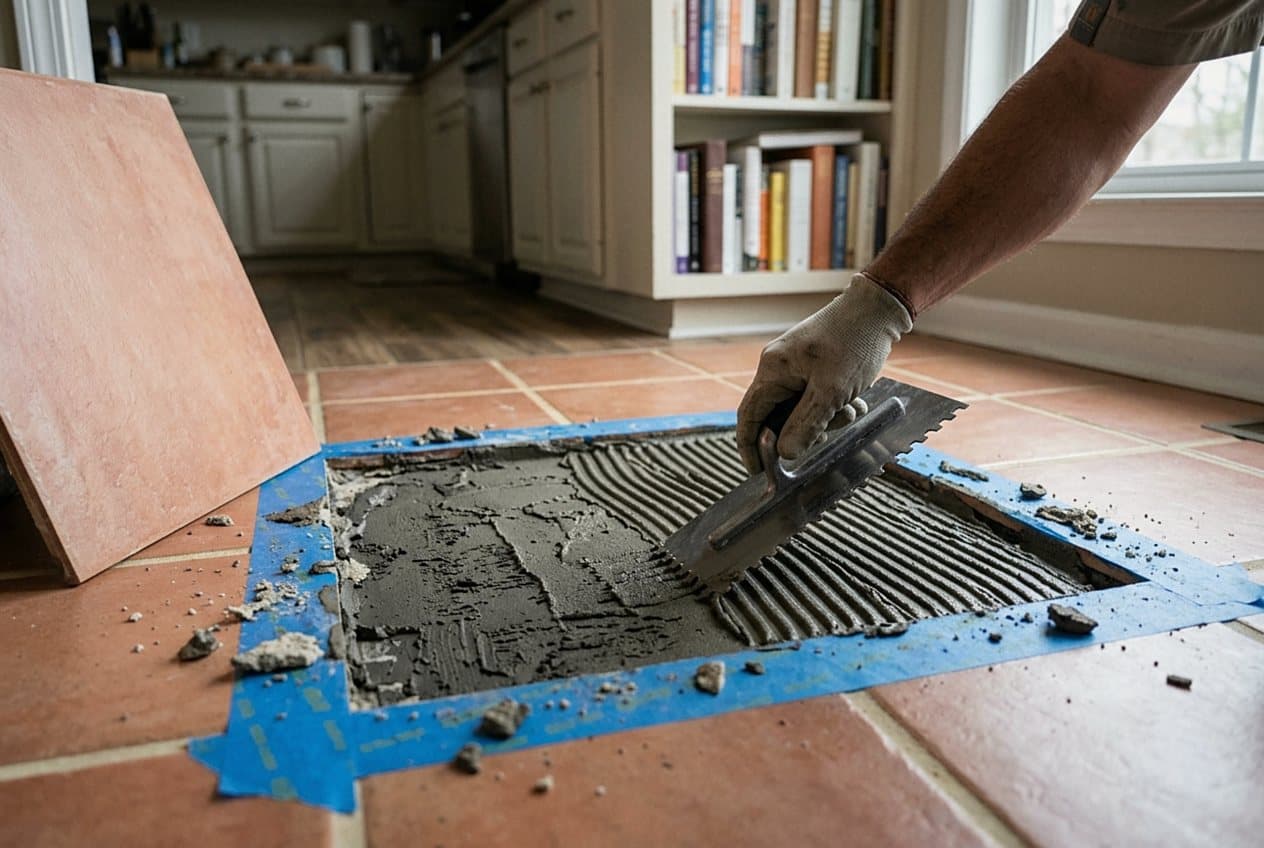
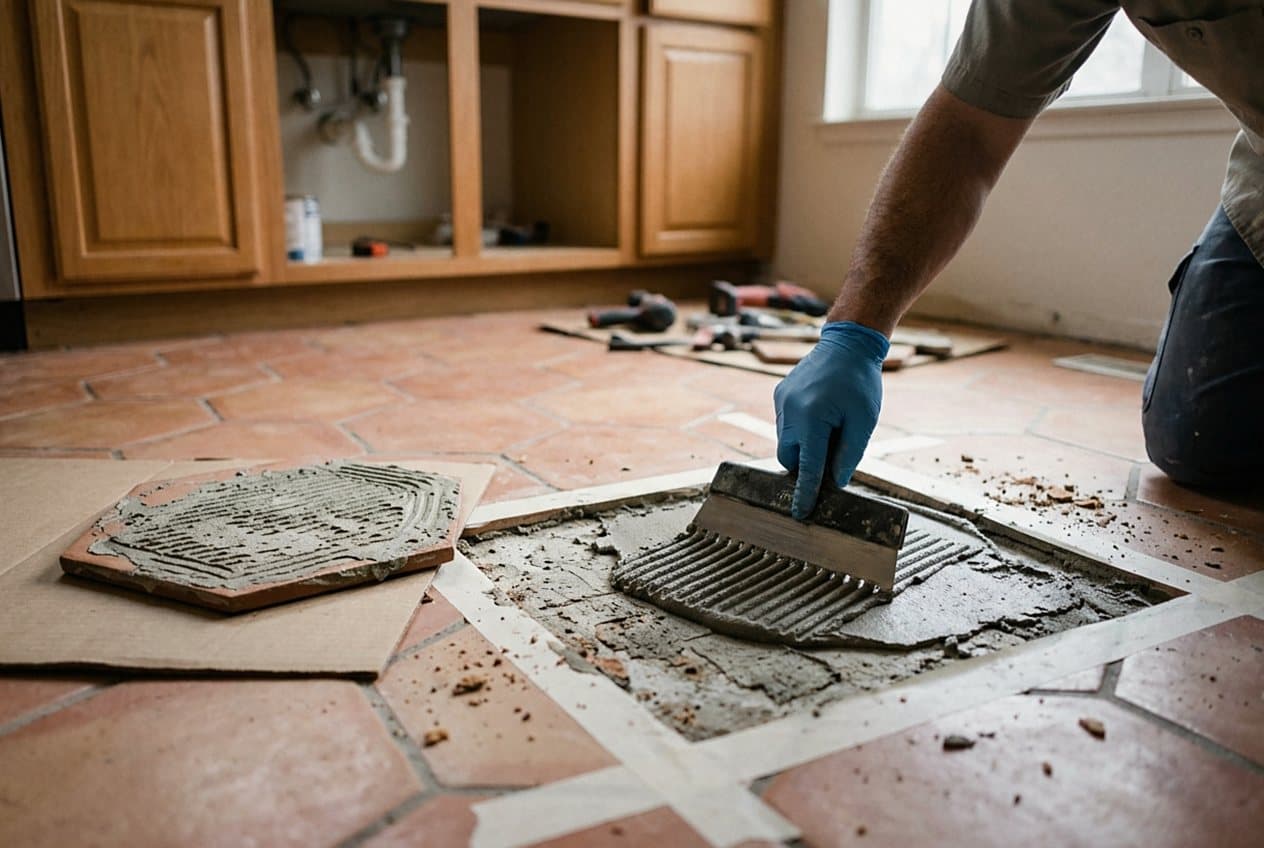
Here is what a removal day really looks like inside your house. We cover the path first, from the door you let us in through all the way to the room we are working in. Doorways get sealed with plastic and a zipper. When the weather cooperates we run a fan in a window so the air in that room pulls out instead of drifting through the rest of the house. Cuts happen outside or on a wet saw whenever we can manage it. Tile demolition is loud and it is dusty, and no crew alive can make that untrue. What we can do is keep it inside one room and clean as we go. Then the tile comes off. Shower walls usually come down along with the board behind them, because that board is often the part that actually failed. Floor tile gets broken out and the old thinset gets ground back to a flat, solid surface, which is the step nobody hears about and the one that decides how your new floor sits. It all goes into buckets and out to the trailer. We are not going to leave a heap of broken tile in your driveway for a week. A single bath or a backsplash is usually a short demolition, often a morning. A whole floor takes longer, and we will give you the real number when we measure rather than a hopeful one. If it is the only working bathroom in the house, say so up front and we will stage the job so you are out of it for the shortest stretch we can manage. After that comes the part no honest contractor can promise you in advance, which is whatever we find underneath. Some days it is clean and we roll straight into the rebuild. Other days there is a rotted subfloor around a toilet flange, a soaked stud in a shower corner, or plywood that stayed wet so long it lifts up in layers. When that happens we stop and show you. You get photos, a plain explanation of what the repair takes, and a number before we go one step further. In older homes we also watch for old flooring and adhesive that should be tested before anyone disturbs it, and when that comes up we pause and bring in a firm that handles that material under EPA rules. We are not going to grind something questionable into the air of your house just to protect a schedule.
- We find out what failed before we quote the fix. That means you are not paying a second time when the same crack works its way up through your brand new tile a year from now.
- Plastic zippers on the doorways, drop cloths on the walking path, buckets out to the trailer every day. The mess stays in the room we are working in.
- Old thinset gets ground back to a flat, solid base. Tiling over the leftover ridges is fast and cheap and it is why so many replaced floors sound hollow within a season. We do not work that way.
- Open a wall, find rot or a slow leak, and you get photos and a number on the spot. No quiet surprises.
- The same two people who tapped your wall on day one are the ones grouting it at the end. Nothing gets dropped in a handoff between crews, because there is no handoff.
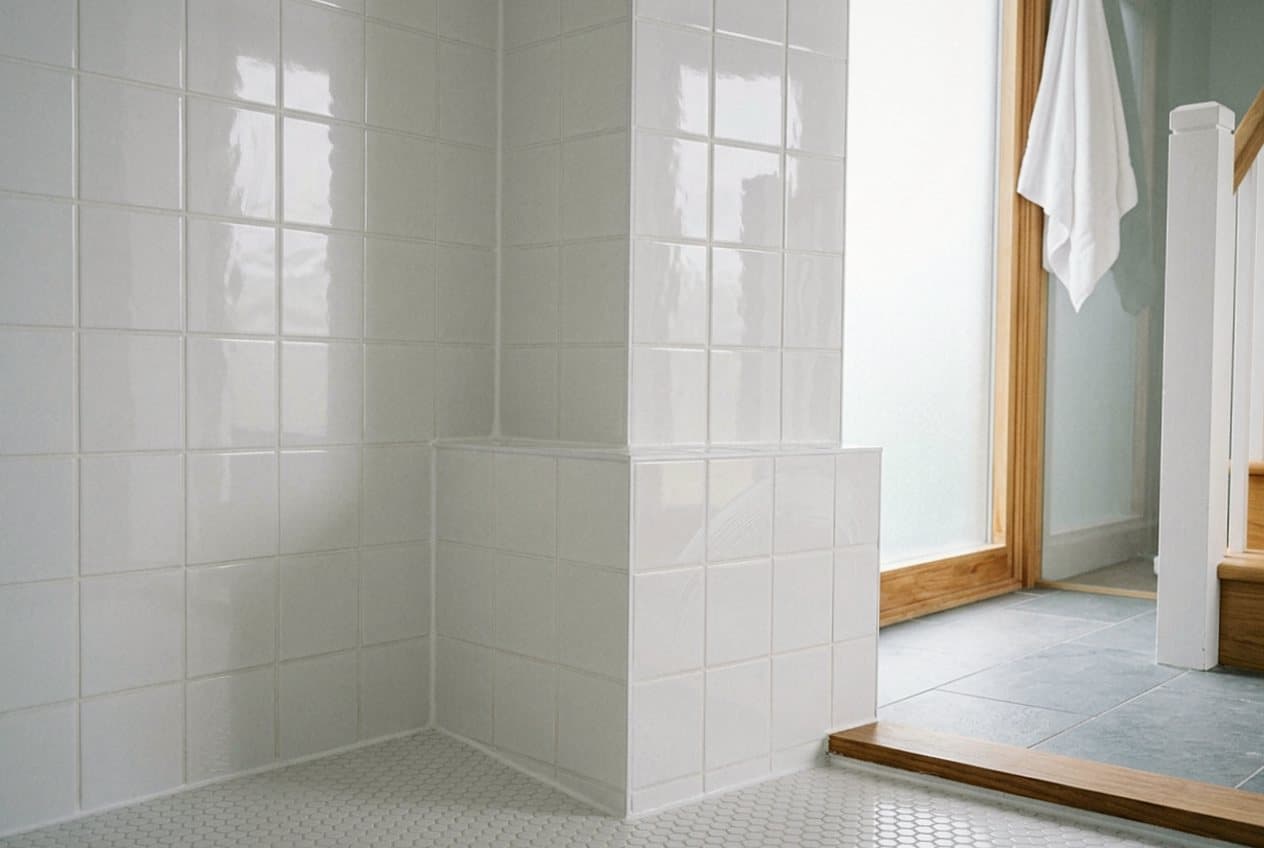
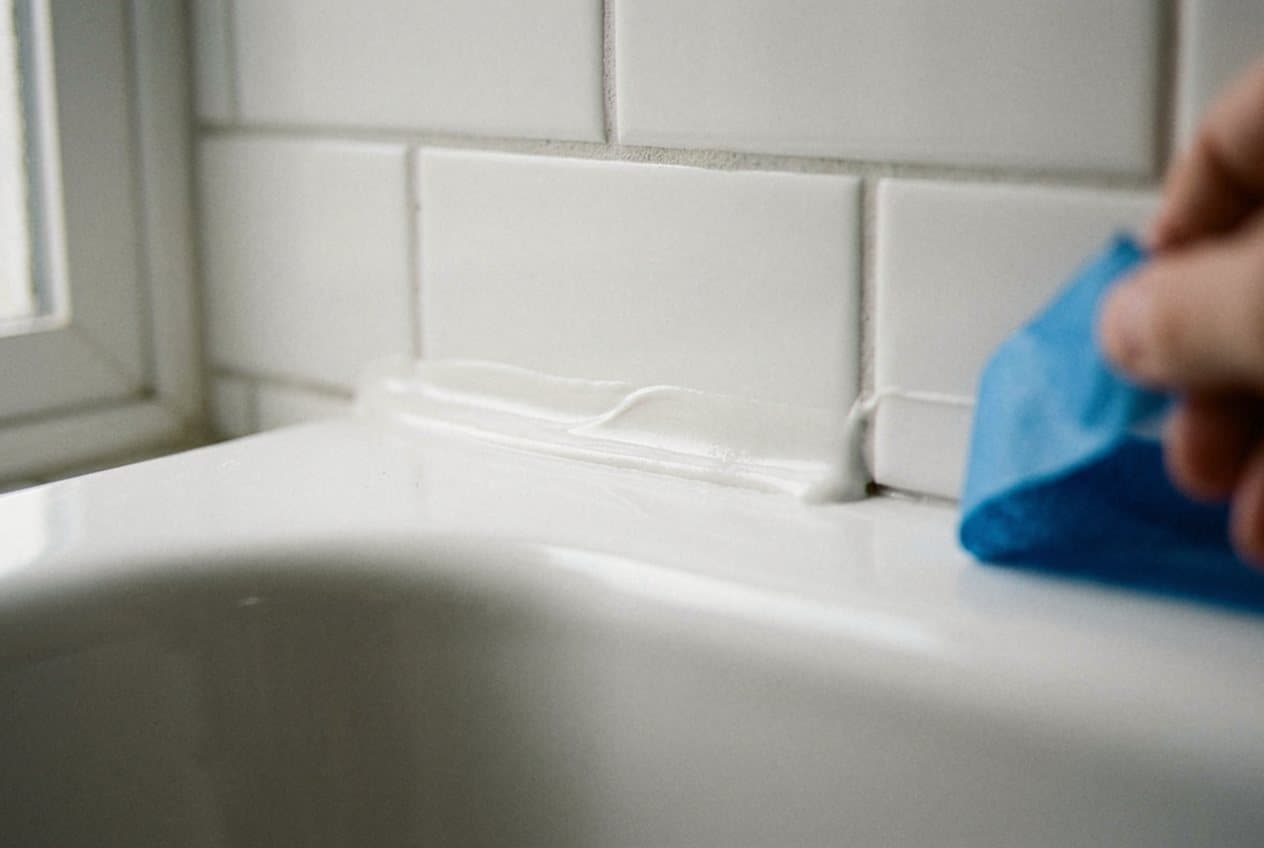
Rebuilding is where a replacement stops being demolition and turns into your new bathroom or your new floor. In a shower we start with the parts you will never see again. Framing gets checked and shimmed flat, because a wall that bows even slightly will show up in every grout line once the tile is on it. Then the waterproofing goes in, either a sheet membrane or a liquid coat rolled over the board and worked hard into the corners and the curb. Old showers were built to let a little water pass and then drain it away. We build them to keep the water on the tile side, and that is the single biggest difference between a shower from 1975 and one we set this year. A niche or a bench gets the same treatment, sloped so water runs out rather than sitting in a corner. Floors get the same thinking in their own way. Loose subfloor gets screwed down, low spots get filled, and a layer over the top lets the wood move through a Michigan winter without dragging the tile along with it. Only after all of that does the new tile go on. For the tile itself, most replacements land on porcelain, and it earns that spot. It is dense, it takes on almost no water, and it shrugs off the salt and grit that ride in on boots from November into March. Glazed ceramic is a good call on a wall or in a bath that sees lighter traffic. Natural stone looks warm and no two pieces match, though it stays porous, so plan on sealing it and being a little gentle with cleaners. Where the tile meets a tub, a wall, or another floor, we run a flexible joint instead of stiff grout, because that is the seam that opens up first when a house dries out in January. Plenty of people add a heat mat under a bathroom floor while it is already torn open, and almost nobody regrets it. If you are matching into an existing floor rather than replacing all of it, tell us early. Tile gets discontinued constantly, so a close match is sometimes possible and sometimes not. When it is not, the smarter move is often a deliberate change, running the new material out to a doorway so the switch reads as a choice instead of a repair. We will lay both options on your table and let you pick.
Got tile that is cracked, hollow, leaking, or just twenty years past what you can stand looking at? We work all over Sterling Heights and the rest of Macomb County, from Utica and Shelby Township to Clinton Township, Warren, and Fraser. Call us and we will come look at it. We tap the field, check the wet edges, tell you whether it is a section or the whole room, and walk you through the new tile while we are standing there. No pressure to decide on the spot. You will get the scope in writing, including what happens if we open something up and the story changes. Most removals get on our schedule within a couple of weeks.